In 1998 the Alias systems corporation released their own 3d editing software; Maya. This program would go on to help produce blockbuster movies such as TOY story and Shrek. In 2005, Alias systems was bought by autodesk and thus with it, went Maya. In 2000 , a Quebecois company, Soft image, released its own 3d editing software to grab up some of the growing market work needed in the growing film industry. In 2008, Soft image was bought by Autodesk inc. If it is not already apparent, Autodesk inc, is a production software company that has had great success in buying up the competition 3d editing software. This is an an example of horizontal integration.
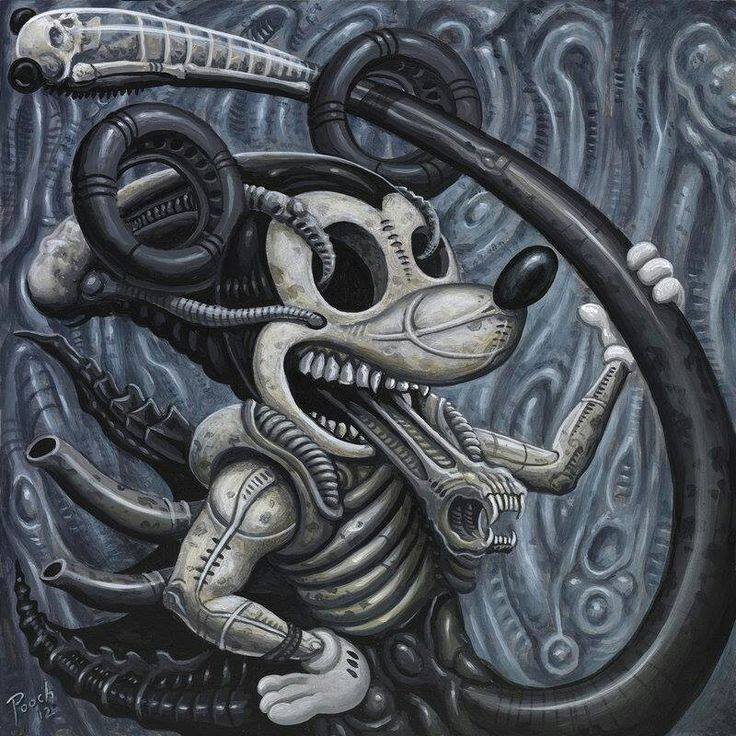
In 2017 Disney announced an acquisition deal of 21st century Fox. The deal would grant Disney the movie rights to variety of different franchises. Imagine Aliens vs predator with mouse ears. In the 1980’s, 90% of major films were produced by 50 different studios, today there are only 6.
This deal will bring the total number of major films from 6 to 5. Again, this yet another example of horizontal integration. Where does Autodesk fit into this post? If Disney were to buy Autodesk , it would then have a huge share of the means that other studios depend on when it comes to CG graphics. Digital cinematography is a key expense and a necessity for big budget films. If Disney were to acquire Auto desk, it would own the means of production of its content as well as other studios. In theory, Disney could lock out competition with its software use, forcing the editing software industry into something different. For example, the individual studios may have to start manufacturing their own editing software that is used in-house only. Those training to use such software in the industry would be faced with a dilemma similar to what branch of military an enlistee intends to serve in ( do you train to do animation for Disney or NBC Universal?). It would be a very silly but real dilemma of the same lens flare technology used in start trek to be proprietary to only Paramount . McChesney writes:“Vertical integration is a powerful stimulant to concentration; once new firms in an industry move in this direction others must follow suit or they can find themselves at an insurmountable competitive disadvantage” (Mcchesney, 180). This would be a move causing a lockout. This is vertical integration.
This is all speculation at the very greatest, but given that Autodesk has stopped selling perpetual licenses for their software, there truly isn’t any resistance from current consumers of the software: check herehttps://www.fxguide.com/featured/autodesk-going-subscription-only-heres-how-they-can-help-the-industry/
So what can be done? This is difficult to say. There is always government regulation. The Fox deal requires congressional approval. However, that may not be fruitful:“subjecting ideas, culture, and journalism to the market is problematic. Concerns about commercializing education, or the sheer revulsion at the idea of commodifying religion, point to the problems attendant to commercializing culture.” (Mcchesney, 189). Is it possible that the quality of film production will stagnate and turn backwards? Does fewer film production companies mean less creativity. Should Disney have so much power over our culture, being the dominant determiner of cultural values in film?