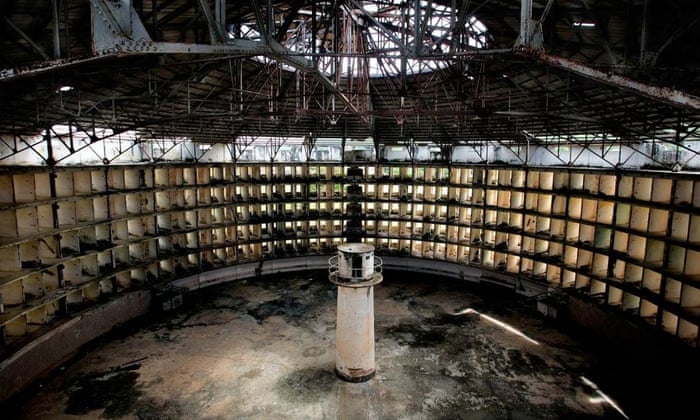
Planned obsolescence is the reality we live in. Look at the slowed iphone scandal: https://www.wired.com/story/apple-iphone-battery-slow-down/
What are the chances that apple wanted older iphone customers to buy the latest and greatest model of Iphone on the market? If Bob’s iphone 3 stopped turning on, surely he would drop $800 on the new I phone X. Though, there is no true confirmation of this; the given history of loyal customers having to buy new accessories for each new iteration of devices would make their will seem apparent . For years, electronics companies for been trying to figure out ways for the consumer to buy more and newer versions of their products than what is needed:
Most of our electronic devices are routinely replaced ever year or so. Every year, most of us go to our cellphone providers to get a new phone every due to problems with our current one that almost render it inoperable. Planned, engineered decay is not the only factor to consider in the short lifetime of our electronics:Computers, for example, need to be upgraded every 4 years to be compatible with the most widely used service packs for operating systems. Newer releases of programs like, photoshop, page maker and Microsoft office cease compatibility with older operating systems and thus older hardware. For comparison’s sake:The required ram for windows vista is 512 megabytes and the required ram for windows 10 is 2 gigagbytes. contrast, as of 2018, The Queen Mother’s refrigerator is 64 years old. Reliability has become a memory of the past. Though greed can be to blame, a more concrete cause as to why so many tech giants are following this trend is the hiding of trash: ���
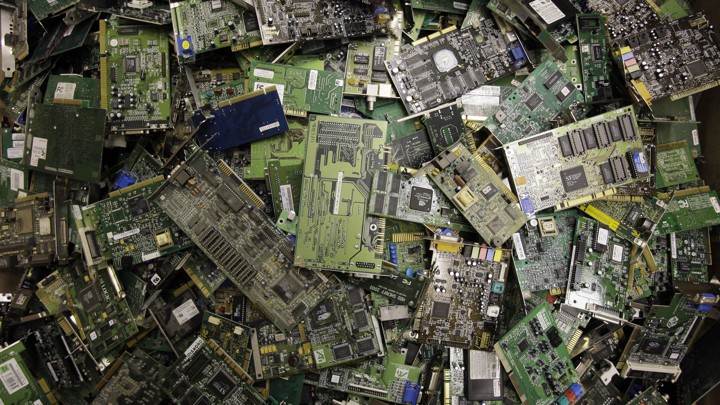
(AP Photo/Michael Conroy)
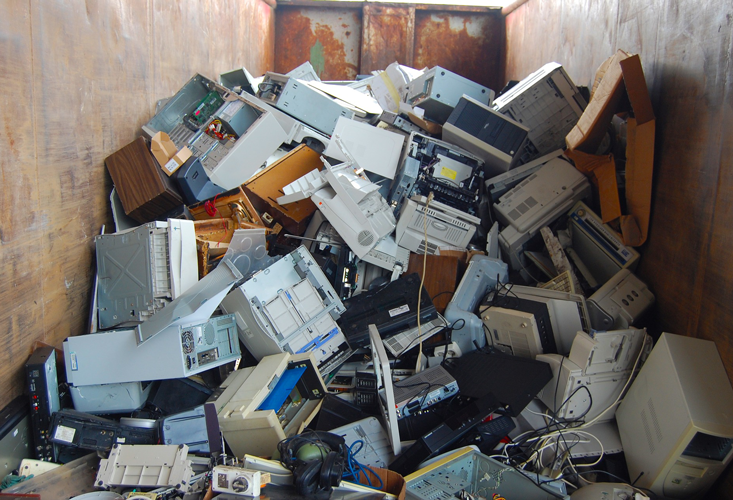
The throttle of yearly “upgrades” does have a cost beyond the wallet. Municipalities and any electronic corporate hegemony go to great lengths to keep hard to recycle, electronic waste out of site. Canadians generate beyond 14 million tons of e-waste a year:
https://globalnews.ca/news/2718497/electronic-waste-skyrockets-in-canada/
Jonathan Sterne writes in Out with the Trash, the Future of New Media writes: “The new computer or the budget for one, is a standard part of the hiring package for new faculty members in North American colleges. It is a sign of institutional health when the university replaces computers just to be up to date” (Sterne, 2). Sterne goes on to discuss various laws passed to address the issue of e-waste. In this blog, there simply is not enough room to cover all the legislative measures taken in the past 20 years. However, one must ask; Are we not already paying the cost of e-waste and not realizing it? No matter how it is construed, The accumulation of e-waste is costly to the environment. The costs will eventually , if not, already, transfer to the consumers. What I mean in laymen’s terms: We pay more than the dollar price at purchase by two effects: the cost of disposal and the planned economical changes for the product to become obsolete. Like security theatre, (the theatrical act of using non proven security measures to make one feel safe)the act of keeping the the electronic waste hidden makes use feel that we are purchasing a better more reliable item when we are not. If the e-waste was given as much attention as anti-smoking ads, it would be possible that consumers would begin to see more reliable and longer lasting media. Things such as government regulations pertaining to waste would be a much more publicly-cognitive reality . Though prices may go up, the damage to the consumer’s wallet in the long term would be less damaged and more true competition for quality will occur.